Environmental problem in the Middle East and North Africa region
Ecology in Crisis: The MENA Region’s Environmental Challenges in 2026
The Middle East and North Africa (MENA) region stands at a critical juncture in 2026, facing unprecedented environmental challenges that threaten both human communities and ecosystems. From water scarcity to desertification, pollution to climate change acceleration, the ecological crisis unfolding across these nations demands urgent, comprehensive intervention. Understanding the scope and nature of these environmental problems is essential for policymakers, businesses, and citizens alike.
Water Scarcity: A Region Running Dry
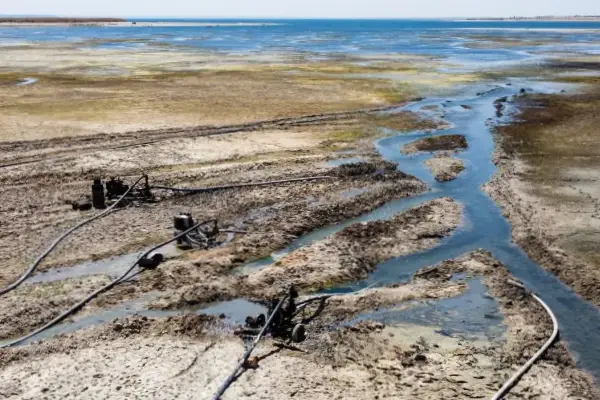
Water scarcity remains the most pressing ecological crisis in the MENA region. With only five percent of the world’s freshwater resources but hosting six percent of the global population, the region faces acute water stress. By 2026, aquifers that have sustained civilizations for millennia are depleting at alarming rates. The Nubian Sandstone Aquifer System, which supplies water to Egypt, Libya, and Sudan, continues to decline without adequate replenishment strategies.
Groundwater overdrafting has become systematic across the region, with countries extracting water far beyond natural replenishment rates. The Fertile Crescent, once the cradle of civilization, now faces severe depletion of shared aquifers between Turkey, Syria, and Iraq. This crisis extends beyond agriculture and drinking water; it affects industrial production, power generation, and tourism—sectors vital to regional economies. Transboundary disputes over water resources intensify as nations compete for shrinking supplies, raising the specter of resource-driven conflict.
Climate Change and Desertification
The MENA region is warming approximately twice as fast as the global average, a phenomenon known as desert amplification. Rising temperatures accelerate evaporation, intensify drought cycles, and expand the Sahara and Arabian deserts at measurable rates. By 2026, evidence accumulated over the past decade shows that arid and semi-arid lands are expanding southward at approximately one kilometer per year in some areas.
Desertification undermines agricultural productivity in vulnerable regions, displacing pastoral communities and forcing migration toward urban centers. The expansion of barren lands reduces carbon sinks, further accelerating climate change in a vicious cycle. Heat waves have become more frequent, intense, and prolonged—summer temperatures in major cities regularly exceed 50 degrees Celsius, posing serious health risks and straining energy infrastructure. Extreme weather events, including flash floods and sandstorms, occur with increasing unpredictability, creating humanitarian emergencies.
Coastal Degradation and Marine Pollution
The Mediterranean Sea and Persian Gulf face unprecedented ecological stress from pollution, overfishing, and coastal development. Plastic pollution accumulates in marine ecosystems, harming fish populations and entering the food chain. Chemical runoff from agriculture and industrial operations contaminates coastal waters, creating dead zones where marine life cannot survive. The degradation of coral reefs and seagrass beds eliminates critical habitats and reduces the region’s biological productivity.
Coastal populations, who comprise a significant portion of the region’s inhabitants, face direct consequences from rising sea levels and increased storm surge. Saltwater intrusion contaminates freshwater aquifers in low-lying coastal areas, particularly threatening nations with limited freshwater resources. Fishing communities witness declining catches as marine ecosystems collapse under unsustainable exploitation. Tourism, a crucial economic sector, suffers as beaches degrade and marine beauty diminishes.
Air Quality and Urban Pollution
Major metropolitan areas throughout the MENA region struggle with severe air pollution that regularly exceeds World Health Organization safety standards. Dust from deserts blends with industrial emissions, vehicle exhaust, and power plant pollution to create hazardous atmospheric conditions. Cities like Cairo, Tehran, and Baghdad frequently record air quality index readings indicating hazardous levels for vulnerable populations.
This pollution exacts a severe public health toll, contributing to respiratory diseases, heart conditions, and premature mortality. Children and elderly populations face elevated health risks. The fossil fuel dependency of regional economies—particularly in Gulf states—perpetuates reliance on petroleum-based energy generation, maintaining high emission levels. Despite growing renewable energy initiatives, fossil fuels continue to dominate the energy mix, hindering progress toward sustainable atmospheric conditions.
Biodiversity Loss and Habitat Destruction
The region’s unique biodiversity faces extinction as habitat destruction accelerates. Endemic species found nowhere else on Earth are losing their ecosystems to agricultural expansion, urban development, and climate change. Desert ecosystems, which have evolved remarkable adaptations to extreme conditions, cannot adjust quickly enough to rapid climate shifts. Wetlands that provide crucial migration corridors for birds have been drained for agricultural development or degraded by pollution.
Protected areas exist on paper but often lack adequate funding, enforcement, and management. Poaching and illegal wildlife trade persist despite conservation efforts. The loss of keystone species disrupts ecosystem balance, triggering cascading effects throughout food webs. Once ecological systems cross critical thresholds, restoration becomes exponentially more difficult and expensive.
Pathways Forward: Solutions and Hope
Despite these formidable challenges, solutions exist. Renewable energy transitions, particularly solar power suited to the region’s abundant sunshine, offer pathways away from fossil fuel dependency. Water management innovations including desalination, recycling, and precision agriculture can stretch limited supplies. Regional cooperation on transboundary water management and climate adaptation could transform competition into collaboration.
Investment in ecosystem restoration, sustainable agriculture, and circular economy principles can address multiple crises simultaneously. Education and public engagement foster environmental stewardship. International support for climate adaptation and green technology transfer strengthens regional capacity. The MENA region possesses the human talent, technological capability, and resources necessary for ecological transformation—what remains is political will and sustained commitment. The ecological challenges facing the MENA region in 2026 are severe but not insurmountable. Decisive action beginning today determines whether future generations inherit viable ecosystems or barren wastelands. The time for incremental change has passed; the region’s environmental future depends on bold, immediate, systemic transformation.